
Versatile Layers for a Smart-Casual Wardrobe: What to Look For
A versatile smart-casual layer is less about one perfect item and more about fit, context, colour, texture and proportion. Here’s a practical way to evaluate what works across different settings without turning style into a rigid formula.
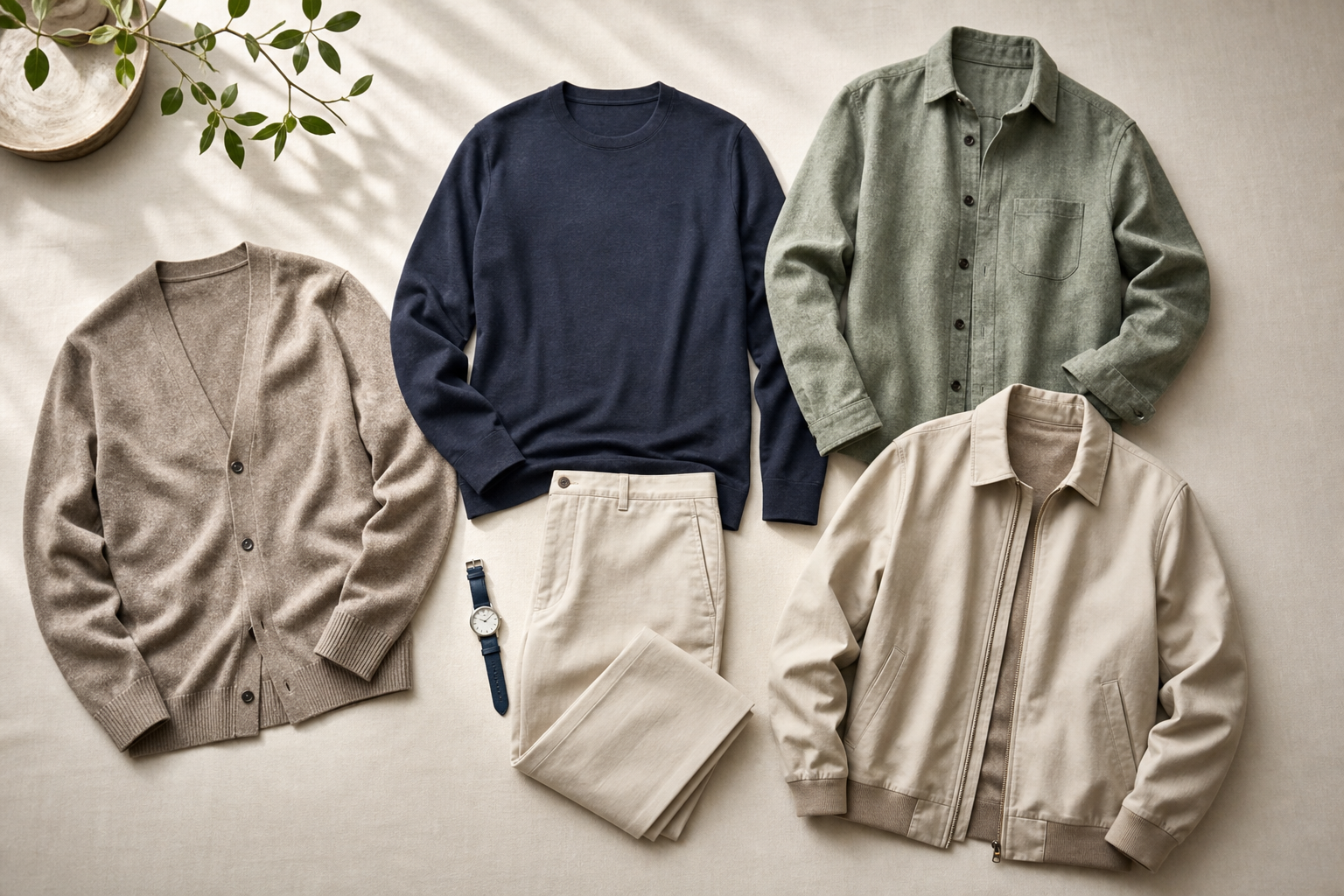
Key points
- Versatility means a layer can work across more than one occasion, season and outfit combination, not that it works everywhere.
- Context matters: dress code, setting and daily activity help determine how structured or relaxed a layer should be.
- Fit and comfortable layering are essential because they affect both polish and practicality.
- Neutral colours and limited colour counts make it easier for a layer to connect with more outfits.
- Balanced texture and simple lines help avoid visual overload.
- There is no universal must-have layer; the most useful choice depends on climate, setting and styling.
Smart-casual layering works best when it is flexible enough to move between contexts without looking out of place. That does not mean there is one required layer that solves every outfit. It means choosing pieces that can adapt to different settings, temperatures and outfit structures with ease.
The most useful approach is evaluative rather than prescriptive: instead of asking whether a layer is “the right one,” it helps to ask how well it fits, how easily it combines, and whether it suits the situation.
What versatility means for a layer
In practical terms, versatility means a layer can work across multiple occasions, seasons and outfit combinations rather than only one look. A piece that can be worn with different items, and in more than one setting, is generally more adaptable than something that only makes sense in a single outfit structure.
A versatile layer can work in several settings without being universal; climate, dress code and styling context still matter.
Start with the likely context
Before focusing on details, consider the setting the layer is most likely to meet. The sources point to dress code, job responsibilities, colleagues, company culture, and the difference between office, client meeting and event settings as useful reference points. Casual dressing, by contrast, is described as comfort-focused and best suited to everyday situations.
Review proportion and movement
Fit matters because a layer that sits well looks more polished and is easier to combine with other outfits. The guidance in the sources is simple: avoid items that are too tight or too loose, and look for clothing that fits well without feeling overly revealing or restrictive.
Movement matters too. A layer is easier to use when it sits comfortably over what is underneath instead of creating bulk or restriction. The layering guidance in the sources stresses that the outermost layer should allow comfortable placement without feeling constricted or bulky.
Check proportion from more than one angle so the layer supports rather than fights the outfit.
Coordinate colour and texture
Colour is one of the quickest ways to make a layer feel more adaptable. Neutral colours such as black, white and gray are described as flexible because they can be combined with any other colour, and both capsule-style and classic business wardrobes use neutral palettes as a foundation for mix-and-match dressing.
There is also a simple coordination principle in the colour source: limiting the number of colours in one outfit can help the result feel more coherent. A two-colour rule for main clothing items, with one additional accent colour for accessories, is offered as an easy framework for coordination.
Texture deserves the same kind of restraint. Texture can add interest, but too many textured elements at once may overwhelm an outfit. The sources suggest a more balanced approach: if a layer has visible texture, it often works best when the rest of the outfit stays calmer.
Editorial example: A neutral layer with a subtle texture can feel more adaptable when it is paired with simple, quiet pieces elsewhere in the outfit.
Compare layer categories without a must-have list
It can be tempting to rank layer categories and search for the one “best” option. The evidence does not support a universal must-have. Instead, the more useful method is to compare categories by flexibility: how well they fit, how easily they combine, how comfortable they are to wear over other pieces, and how gracefully they move between formal and relaxed settings.
Simple, clean-lined footwear can also support versatility because it is easier to combine with different outfits than highly decorative options. The footwear source notes that simple, elegant shoe designs are versatile, and the business wardrobe source highlights practical, polished footwear options for different weather and office needs.
Editorial example: When comparing categories such as blazer, cardigan, jacket or coat, evaluate each one by fit, fabric, colour compatibility and how easily it shifts between structured and relaxed outfits rather than treating any one category as a default choice.
Editorial examples for different situations
The following are illustrations only. They are not universal formulas, and they are not evidence that one combination is always better than another.
Editorial example: For a more polished setting, a neutral layer with cleaner lines can be paired with simpler pieces so the overall look stays composed.
Editorial example: For a more relaxed outing, the same kind of layer can be worn with softer separates, as long as the proportions still feel balanced.
Editorial example: If a layer has noticeable texture, keeping the rest of the outfit calm in colour and shape can help the look feel intentional rather than busy.
Editorial example: If you use a belt with layered clothing, place it on the outermost layer only when it sits comfortably and does not create strain or extra bulk.
Editorial example: A layer that looks good open, closed and partly layered over other pieces may be more adaptable than one that only works in a single arrangement.
A simple way to evaluate a layer
If you want a practical check, use these questions:
- Does it fit well without feeling tight or sloppy?
- Does it sit comfortably over other layers?
- Is the colour easy to combine?
- Is the overall palette restrained enough to feel coherent?
- If it has texture, does the rest of the outfit stay balanced?
- Does it suit the likely setting, not just the mirror test?
That approach keeps the focus on usefulness rather than rules for their own sake.
FAQ
Can one layer work across every smart-casual situation?
Not really. The sources are clear that a versatile layer is useful across multiple occasions and outfit combinations, but not a universal solution. Climate, setting and styling all affect whether it is appropriate.
What matters most when choosing a versatile layer?
Fit, context and balance are the main themes supported by the sources. A layer that fits well, suits the setting, and works with a restrained colour and texture palette is generally easier to use in more than one outfit direction.
Why are neutral colours mentioned so often?
Because they are easier to combine. The colour source describes black, white and gray as neutral and notes that they can be combined with any other colour. The capsule and business sources also use neutral palettes as a base for mix-and-match dressing.
Does texture make a layer less versatile?
Not by itself. Texture can add interest. The key is balance: too many textured elements at once may overwhelm the outfit, so a versatile layer often works best when the texture is controlled and the rest of the look stays relatively simple.
Should a smart-casual layer always look polished?
No. The right level of polish depends on the setting. The sources distinguish between office, client meeting, event and everyday casual situations, which means the same layer may need a different styling approach in each one.
A calm final thought
Versatile layers are not one perfect answer. Compare context, colour, texture and proportion, then choose the option that works for the situation.
Questions readers often ask
Can one layer work across every smart-casual situation?
Not really. The sources are clear that a versatile layer is useful across multiple occasions and outfit combinations, but not a universal solution. Climate, setting and styling all affect whether it is appropriate.
What matters most when choosing a versatile layer?
Fit, context and balance are the main themes supported by the sources. A layer that fits well, suits the setting, and works with a restrained colour and texture palette is generally easier to use in more than one outfit direction.
Why are neutral colours mentioned so often?
Because they are easier to combine. The colour source describes black, white and gray as neutral and notes that they can be combined with any other colour. The capsule and business sources also use neutral palettes as a base for mix-and-match dressing.
Does texture make a layer less versatile?
Not by itself. Texture can add interest. The key is balance: too many textured elements at once may overwhelm the outfit, so a versatile layer often works best when the texture is controlled and the rest of the look stays relatively simple.
Should a smart-casual layer always look polished?
No. The right level of polish depends on the setting. The sources distinguish between office, client meeting, event and everyday casual situations, which means the same layer may need a different styling approach in each one.
Explore combinations with a calm, practical next step
If you want to compare how a few pieces work together, use our Smart Wardrobe resources to review combinations with a clearer eye for fit, balance and context.
Explore Smart Wardrobe