
KLAPP Caviar Power Imperial Finland FAQ: what the catalogue verifies
This FAQ explains what the verified KLAPP Finland catalogue can and cannot confirm about the Caviar Power Imperial range: five consumer home-use records, one restricted professional record, and why brochure language does not prove individual suitability.
Key points
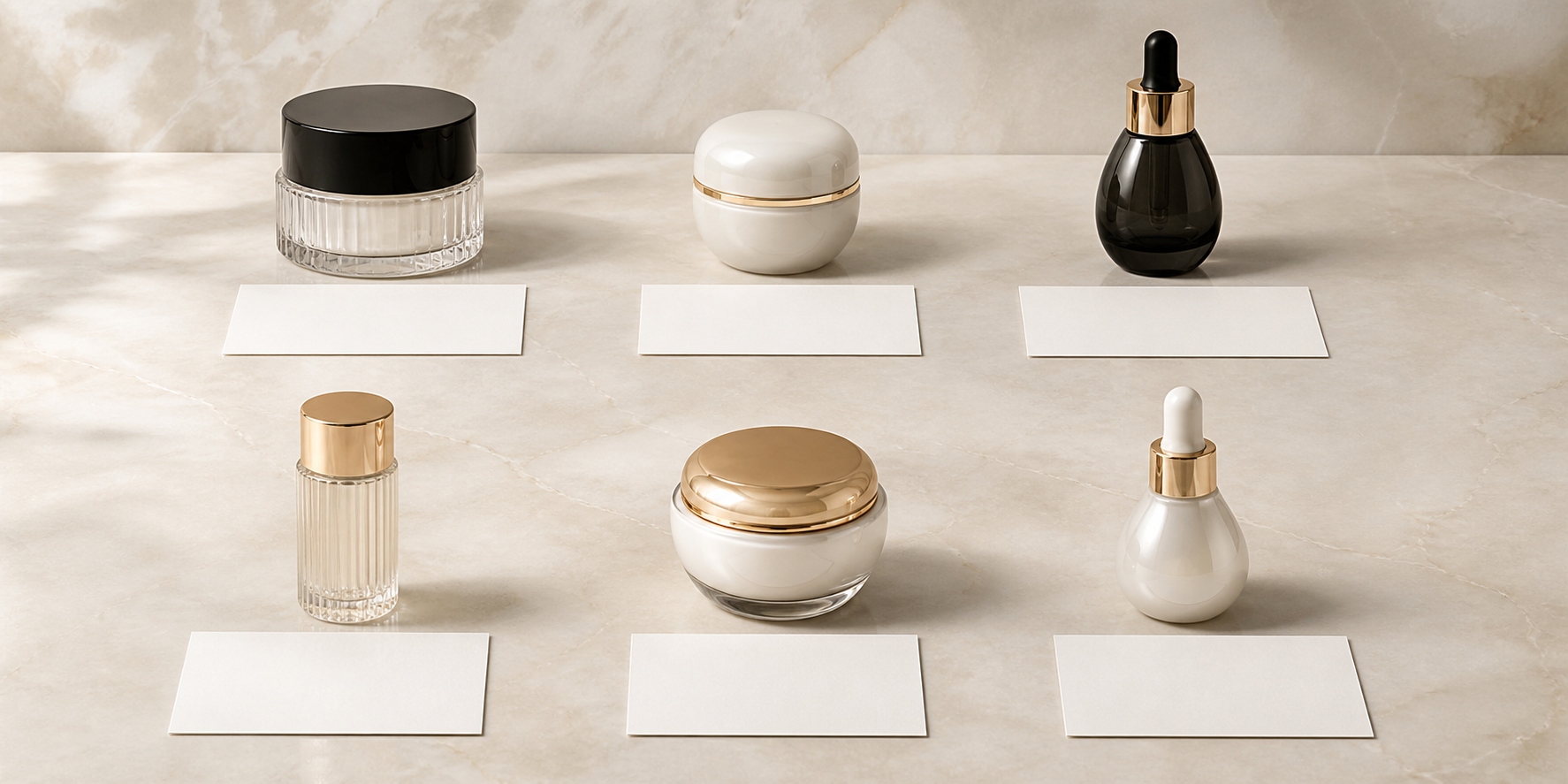
- The verified Finland catalogue shows six Caviar Power Imperial comparison records: five consumer home-use and one restricted professional.
- The structured catalogue controls identity and professional status; brochure prose does not override it.
- Luxury category placement is a catalogue label, not proof of efficacy, safety, or personal suitability.
- The approved sources do not support current availability, price, stock, purchase status, or delivery timing.
- Item-level questions need the exact current label; this FAQ stays at category level.
If you are trying to understand the KLAPP Caviar Power Imperial Finland FAQ at a category level, the short answer is simple: the verified Finland catalogue shows six approved comparison records for this range, with five marked for consumer home use and one marked restricted to professional use. That split helps you verify catalogue structure and use classification, but it does not tell you whether a specific item is right for you, whether it is currently sold, or what it will do for an individual person.
This article is for Finnish consumers and skincare professionals who want a calm, non-medical explanation of how the structured catalogue, brochure language, and luxury category label relate to each other. You will learn what is verified, what remains item-specific, and which questions still require an exact current label.
Direct answer: what this FAQ can verify
The verified source set supports a narrow but useful answer. It confirms the identity and professional status of the Caviar Power Imperial comparison records in the Finland catalogue, and it shows how those structured records should be treated as the controlling source for identity and status. It also shows that the brochure uses marketing-style wording, including efficacy-style phrasing, but that wording should not be read as evidence of personal suitability, safety, or an individual outcome.
In other words, this FAQ can help you verify how the range is catalogued. It cannot turn brochure prose into an individual recommendation.
What the six-record catalogue split establishes
The verified catalogue snapshot used for this guide contains six approved Caviar Power Imperial comparison records in Finland. Five are labelled for consumer home use, and one is labelled restricted to professional use.
That split matters for two reasons:
- It shows that the range is not a single uniform consumer set.
- It shows that consumer home use and restricted to professional use status are separate catalogue conditions.
For readers, the practical takeaway is straightforward: if you are checking the range at category level, the structured catalogue is the source that establishes whether a record belongs to the home-use side or the restricted professional side. Brochure language alone does not do that job.
Why the structured catalogue is the controlling source
The approved source constraints make the catalogue the controlling source for identity and professional status. That means brochure copy is secondary when there is any question about what a record is or how it is classified.
This is especially important because marketing materials often aim to present a range in an attractive way, while structured catalogue data is designed to carry the formal product identity and status flags. When those two layers are not the same kind of information, the catalogue takes priority for verification.
What luxury positioning means and does not mean
All approved structured records in this set are placed in the Luxury category. That is a catalogue classification, not a proof of superiority.
Luxury positioning can tell you how the range is presented, but it does not by itself establish:
- efficacy
- safety
- personal suitability
- better outcomes for an individual
- whether a record is appropriate for a specific skin concern
This distinction is important because category labels can be useful for navigation, but they do not replace a personal assessment or a label check. A luxury classification is still just a classification.
Why brochure wording does not decide individual suitability
The approved flyer includes efficacy-study style language, including percentage-based agreement statements and wording about smoothing, firmness, elasticity, and radiance after regular use. That kind of language is common in brand material, but it should not be treated as clinical proof that a product will be suitable for a particular person.
A brochure can describe how a range is positioned. It cannot, on its own, establish:
- how an individual will respond
- whether a person should use it
- whether it will produce a particular result
- whether it is a substitute for a professional assessment
For that reason, brochure wording is useful for understanding brand communication, but not for making personal suitability decisions.
A useful rule of thumb
If a claim comes from marketing language, read it as positioning.
If a claim comes from the structured catalogue, read it as catalogue status.
If you need to know which one controls identity or professional use, rely on the structured record.
How consumer and restricted professional contexts remain separate
The catalogue split into five consumer home-use records and one restricted to professional use record is the clearest boundary in the approved source set. It shows that consumer and professional contexts are not interchangeable.
That boundary helps distinguish two common mistakes:
- treating a restricted to professional use record as if it were consumer homecare guidance
- assuming that consumer home-use classification says anything about individual suitability
The source set supports a category-level distinction, not a validated consumer-vs-professional usage protocol beyond the homeUse and professionalOnly flags. In other words, the classification tells you who the record is for in catalogue terms, but it does not supply a full how-to guide.
Which questions require an exact current label
Some questions can only be answered correctly with the exact current label for the specific record being discussed. That is true when someone wants to confirm identity, category status, or whether a record is consumer-facing or restricted to professional use.
An exact current label is especially important when the question is item-specific, because the approved sources do not justify item-level recommendations, directions, or treatment promises. They also do not support inventing ingredient lists, usage order, or protocols.
So if a reader asks, “Which exact record is this?” or “Is this the consumer version or the professional one?”, the safest answer is to check the structured catalogue label rather than infer from brochure language.
What counts as an item-specific question
Item-specific questions are the ones that go beyond the category. Examples include:
- the exact identity of a particular record
- whether a specific record is home use or restricted to professional use
- whether a particular label is the current one
- whether a specific record is the same as a different catalogue entry
Those questions need the exact label because the approved sources do not provide a full item-by-item suitability framework.
What this FAQ cannot answer
This FAQ is intentionally narrow. It does not verify:
- current availability
- stock or inventory
- price
- purchase status
- sales status
- delivery timing
- directions for use
- ingredient lists
- treatment protocols
- diagnosis
- medical or therapeutic claims
- item-level recommendations
This limit is not a weakness; it is the right boundary for the source set. The approved structured records and flyer provide identity and descriptive context, but they do not supply verified commercial status fields or personal assessment data.
If a question depends on any of those missing details, it should be treated as unresolved until the exact current source is checked.
A source-checking checklist
If you want to verify the range responsibly, use this short checklist:
- Check the structured catalogue first for identity and status.
- Confirm whether the record is marked consumer home use or restricted to professional use.
- Treat brochure wording as brand communication, not as proof of suitability.
- Do not infer current stock, price, or purchase status.
- Require the exact current label before answering item-level questions.
- Keep restricted to professional use records separate from consumer homecare questions.
This workflow separates marketing language from catalogue status and category information from personal guidance.
A quick decision path
If your question is about structure or classification, use the catalogue.
If your question is about brochure positioning, read the flyer as marketing.
If your question is about whether something is right for a specific person, the source set does not support that conclusion.
If your question is about current commercial status, the approved sources do not confirm it.
Frequently asked questions
What does the verified five-consumer and one-professional split establish?
It establishes the catalogue structure in the approved Finland snapshot: five Caviar Power Imperial comparison records are labelled for consumer home use, and one separate record is restricted to professional use.
Does the Luxury category prove the range is more effective or more suitable?
No. Luxury is a catalogue category, not proof of efficacy, safety, personal suitability, or better results for an individual.
Can brochure claims about firmness, radiance, or elasticity be treated as personal proof?
No. The brochure uses marketing-style efficacy language, but that does not prove individual outcomes or suitability.
Can this FAQ confirm current stock or price?
No. The approved sources do not support current availability, inventory, price, purchase status, sales status, or delivery timing.
Can a restricted to professional use record be used as consumer homecare guidance?
No. The structured catalogue separates consumer home-use records from the restricted to professional use record, and the restricted to professional use entry should not be presented as consumer self-use guidance.
Why do I need the exact current label for item-specific questions?
Because item-level identity and status are controlled by the structured catalogue, and the approved source set does not support guessing from brochure wording alone.
Summary
The verified KLAPP Caviar Power Imperial Finland catalogue supports a clear category-level answer: five approved consumer home-use records and one restricted to professional use record. The structured catalogue controls identity and professional status, while the brochure provides marketing language that should not be treated as proof of individual suitability, safety, or outcomes.
For readers, the most useful approach is to separate three things: catalogue status, brochure positioning, and personal suitability. The first two can be checked against the approved sources. The third cannot be concluded from this source set.
Questions readers often ask
What does the verified five-consumer and one-professional split establish?
It establishes the catalogue structure in the approved Finland snapshot: five records are labelled for consumer home use and one separate record is restricted to professional use.
Does the Luxury category prove the range is better or more suitable?
No. Luxury is a catalogue category, not proof of efficacy, safety, personal suitability, or better outcomes for an individual.
Can this FAQ confirm current stock or price?
No. The approved sources do not support current availability, inventory, price, purchase status, sales status, or delivery timing.
Can brochure claims about firmness, radiance, or elasticity be treated as personal proof?
No. The brochure uses marketing-style efficacy language, but that does not prove individual outcomes or suitability.
Can a restricted professional record be used as consumer homecare guidance?
No. The structured catalogue separates consumer home-use records from the restricted to professional use record, and the restricted to professional use entry should not be presented as consumer self-use guidance.
Need a verified next step?
For item-level checking, use the approved KLAPP Finland catalogue or a qualified professional source rather than brochure wording alone.
Explore KLAPP Finland