
How to Stop Buying Clothes That Do Not Match Your Wardrobe
If shopping often leaves you with pieces that are hard to wear, the fix is usually less about strict style rules and more about deliberate decision-making. Here’s how to think about compatibility, coordination, and the difference between practical style guidance and evidence-based buying behaviour research.
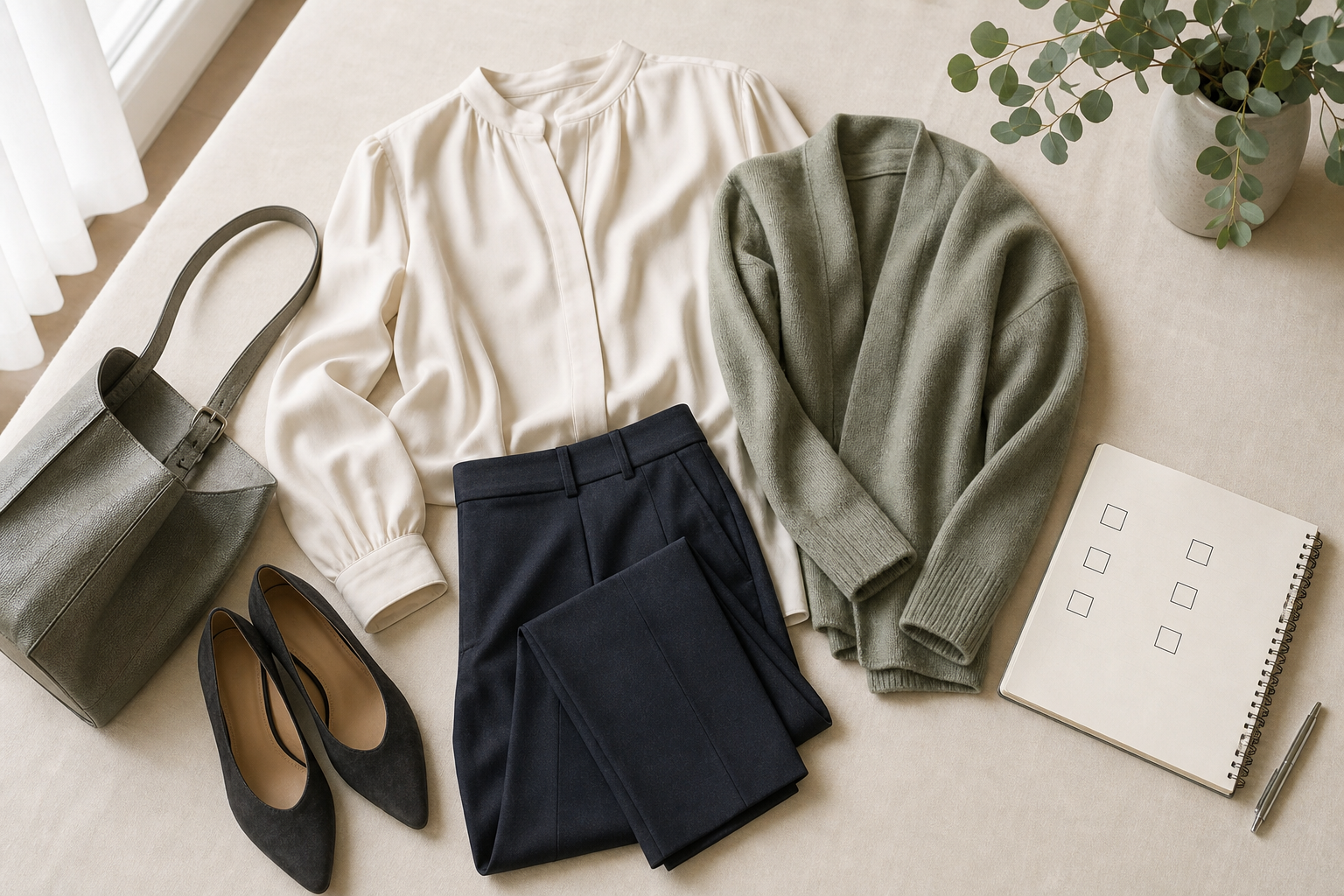
Key points
- Compulsive buying-shopping disorder is a recognised behavioural condition, but ordinary wardrobe mismatch is not the same thing.
- Research has studied cognitive-behavioural approaches for compulsive buying, yet the overall evidence base is limited.
- Wardrobe-coordination advice is mostly practical consumer guidance, not clinically validated intervention.
- A simple compatibility check can reduce impulsive or low-value clothing purchases.
- The EU textiles strategy supports longer-lasting, more durable, and more circular clothing use.
Why people buy clothes that do not work with their wardrobes
Most mismatched clothing purchases are not a medical issue. They are usually a practical shopping problem: the item looks appealing in isolation, but it is not easy to combine with other considered pieces, the setting is unclear, or the care and wear demands do not fit real life.
That distinction matters. The medical literature does recognise compulsive buying-shopping disorder as a behavioural condition with clinical assessment and management described in the literature, but ordinary wardrobe frustration is not the same thing. The evidence registry used for this article does not directly study capsule wardrobes, colour palettes, or outfit-planning rules as a way to reduce mismatched purchases. So the most useful guidance here is a blend of evidence-informed consumer behaviour, and clearly labelled editorial style advice.
What evidence says about impulsive or compulsive buying
There is some relevant research on buying behaviour itself. Compulsive buying-shopping disorder is described in the medical literature as a recognised condition, and cognitive-behavioural approaches have been studied as a possible treatment option. At the same time, the treatment evidence base remains limited.
That means two things at once:
- It is reasonable to treat persistent, hard-to-control buying behaviour as a real behaviour concern.
- It is not reasonable to claim that any single shopping rule will reliably solve it.
For readers who mainly want better wardrobe coordination, this research is still useful because it supports a more deliberate pause before purchase. It does not turn wardrobe coordination into a clinical intervention.
How to shop more deliberately
A practical pre-purchase check can help reduce mismatched buys. Think of it as a compatibility test rather than a taste test.
1. Define the role first
Before thinking about colour or trend, ask what the garment is meant to do. Is it for work, everyday wear, travel, evenings out, or a specific dress code? Style guidance sources suggest that successful wardrobe choices start with the intended environment, the daily tasks, and the occasions the piece needs to suit.
2. Check compatibility against named pieces
A garment is easier to justify when you can point to specific items it will work with, rather than assuming it will somehow “fit in” later. A simple test is to name two or three pieces it should coordinate with before you decide.
If you cannot picture at least two combinations, treat the item as lower priority.
3. Prefer more flexible colours when versatility matters
Neutral colours generally give you more mix-and-match room. The styling sources used here support neutral shades such as black, white, gray, navy, and beige as especially flexible. Bright colours can be beautiful, but very vivid shades may be harder to coordinate across seasons and outfits.
This is editorial guidance, not a universal law. A bright garment can still be a good purchase if it clearly serves a purpose and pairs with other considered pieces.
4. Look at silhouette and proportion
Fit is not only about size. Silhouette and proportion influence whether an item feels harmonious with the rest of a look. Styling sources emphasise balance, structure, and overall line. That does not mean one “correct” body type or one fixed rule for everyone. It simply means the item should support the effect you want in the setting you are dressing for.
5. Test outfit combinations before buying
A useful habit is to mentally assemble at least two outfits before checkout. If the item only works in one narrow combination, it may be attractive but not especially versatile.
This is especially helpful when a piece is similar to something you already considered. If it repeats the same function without adding a different role, colour, or silhouette, it may not add much value.
6. Check duplication and care needs
Compatibility is also about practicality. A piece that looks good but requires special care, delicate handling, or frequent maintenance may not suit the intended setting unless that extra effort is genuinely worth it.
The same goes for duplication. A basic wardrobe is meant to rely on versatile core items, not repeated pieces that do the same job in slightly different packaging.
Why buying for longevity and use matters
The European Commission’s textiles strategy supports longer-lasting, more durable, and more circular textiles. That policy direction fits naturally with more deliberate shopping habits: choosing items you can use repeatedly, maintain reasonably, and combine in more than one way.
This is not a medical point. It is a consumer and sustainability point. Buying with longevity in mind can make wardrobe choices feel calmer and more intentional, especially if you prefer a smaller number of pieces that work together well.
For that reason, it is sensible to treat “will I use this often?” as part of the decision. A garment can be stylish and still be a poor purchase if it has only one narrow use.
Pause before purchase
A short pause can be the most effective step of all.
Before paying, ask yourself:
- What role is this item meant to play?
- Which specific pieces does it coordinate with?
- Does it create at least two outfits?
- Is the colour versatile enough for the role?
- Does the silhouette support the look I want?
- Is there duplication with a similar item?
- Are the fabric and care needs realistic for how often I would wear it?
If the answer is vague, delay the purchase. If the answer is clear, the item is more likely to earn its place.
When shopping feels out of control
Sometimes the issue is bigger than style coordination. If buying feels persistent, distressing, or hard to control, that is a good reason to seek professional support.
The research base here supports that compulsive buying-shopping disorder exists as a clinical behaviour and that cognitive-behavioural approaches have been studied, but the evidence is limited. So this article is not trying to diagnose anything. It is simply encouraging readers to notice when shopping is no longer feeling like a calm, ordinary decision.
Bottom line
If you want to stop buying clothes that do not match your wardrobe, focus on compatibility before appeal. Define the role, test combinations, favour flexibility when it matters, and pause long enough to judge whether the item adds something real.
That approach is partly evidence-informed, partly practical style judgment, and partly common sense. In a topic like this, that is often the most honest combination.
FAQ
Why can a piece look good on its own but still be a poor purchase?
Because a garment can be attractive in isolation and still be hard to combine, too narrow in use, or impractical for the intended setting. Compatibility is about the full outfit, not just the item itself.
Are neutral colours always the best choice?
Not always. Neutral shades generally offer stronger mix-and-match potential, but a brighter colour can still make sense if it clearly fits the intended role and coordinates with other considered pieces.
What if I can only imagine one outfit?
That is a warning sign that the item may be less versatile. It does not automatically mean “do not buy,” but it does mean you should think carefully about whether the purchase adds enough value.
Does this article mean wardrobe coordination has been clinically proven?
No. The available evidence supports research on compulsive buying-shopping disorder and some treatment approaches, but it does not directly validate capsule wardrobes, colour rules, or outfit-planning systems as clinical interventions.
Questions readers often ask
Why can a piece look good on its own but still be a poor purchase?
Because a garment can be attractive in isolation and still be hard to combine, too narrow in use, or impractical for the intended setting. Compatibility is about the full outfit, not just the item itself.
Are neutral colours always the best choice?
Not always. Neutral shades generally offer stronger mix-and-match potential, but a brighter colour can still make sense if it clearly fits the intended role and coordinates with other considered pieces.
What if I can only imagine one outfit?
That is a warning sign that the item may be less versatile. It does not automatically mean not to buy it, but it does mean you should think carefully about whether the purchase adds enough value.
Does this article mean wardrobe coordination has been clinically proven?
No. The available evidence supports research on compulsive buying-shopping disorder and some treatment approaches, but it does not directly validate capsule wardrobes, colour rules, or outfit-planning systems as clinical interventions.
Try a calmer next-step check before the next purchase
If you want a more deliberate way to judge whether a piece earns its place, start by comparing it against a few explicitly chosen items and checking whether it creates more than one outfit.
Explore capsule wardrobe guidance