 By
·
8 minute read
By
·
8 minute read
Anti-Inflammatory Diet Plan: Weekly Sample Menu and Tips
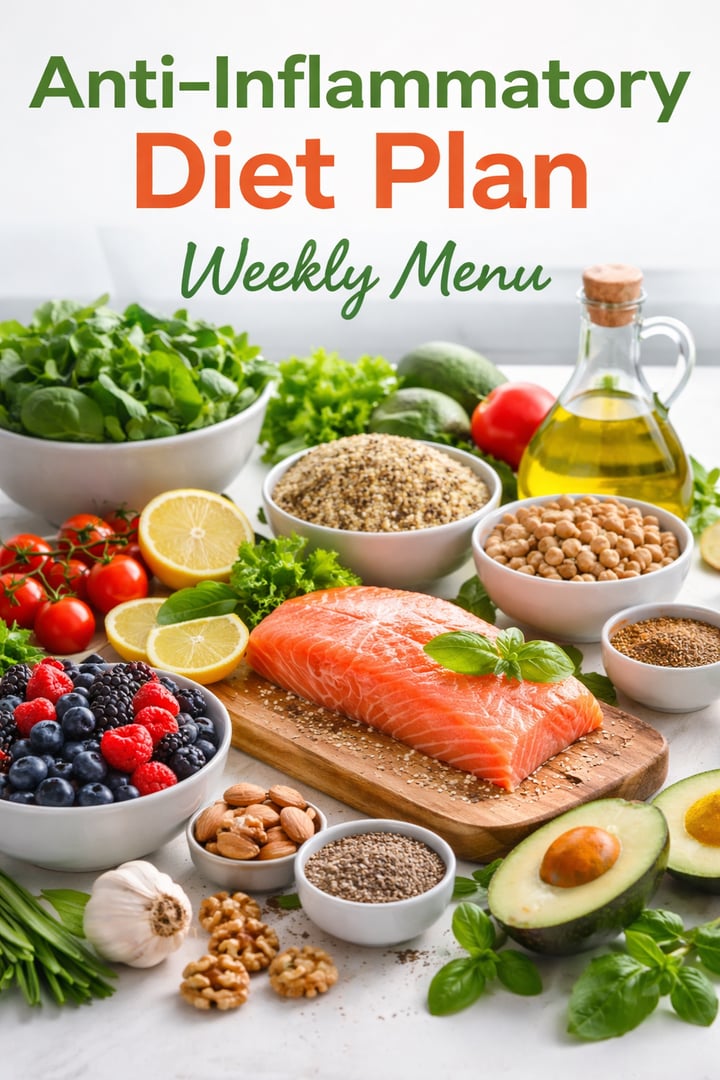
Quick idea: An anti-inflammatory diet plan is less about perfection and more about patterns. You eat mostly whole foods (vegetables, berries, legumes, whole grains, olive oil, nuts, fish), and you reduce ultra-processed foods, excess sugar, and deep-fried meals. The goal is to make inflammation-lowering choices feel automatic, not exhausting.
Want this to be easy to follow in real life? Use Health360: Weight & Anti-Age to track meals (including meal photo analysis), build weekly structure, and stay consistent with daily habits. Download Health360 on Google Play .
What is an anti-inflammatory eating plan?
Inflammation is part of normal immunity, but chronic low-grade inflammation is linked with many long-term health issues. An anti-inflammatory diet plan is a practical way of eating that favors foods associated with lower inflammation markers. It is usually plant-forward, rich in fiber and antioxidants, and includes healthy fats like extra-virgin olive oil and omega-3s.
The easiest way to understand an anti-inflammatory eating plan is this: more real food, fewer factory foods. Your plate becomes mostly vegetables (raw and cooked), plus a protein source, plus a smart carb (like legumes or whole grains), plus a healthy fat (like olive oil, nuts, or avocado).
If you want a structured approach to eating habits beyond inflammation, you may also like: 4 meals a day weight loss plan and age-related weight gain after 40.
Medical note: Food can support health, but it does not replace treatment. If you have inflammatory bowel disease, autoimmune disease, diabetes, kidney disease, are pregnant, or take blood thinners, talk to your clinician before making big diet or supplement changes (especially high-dose turmeric/curcumin).
Evidence-based reading: Harvard Health on fighting inflammation with food, Johns Hopkins overview of an anti-inflammatory diet, Mayo Clinic Health System grocery list ideas.
Who benefits most from anti-inflammatory eating?
This style of eating is a great fit if you feel like your body is constantly “on edge”. People often try an anti-inflammatory diet plan because they want more stable energy, better digestion, less joint stiffness, fewer cravings, improved skin clarity, or easier weight management.
Common signs your current diet may be inflammation-heavy
- Energy crashes after meals
- Frequent bloating, reflux, or irregular digestion
- Cravings for sweets or ultra-processed snacks in the afternoon
- Water retention, puffiness, or feeling “swollen”
- Skin that looks dull or irritated more often than you like
- Stubborn weight gain, especially with stress and poor sleep
Want more structure around lifestyle habits (sleep, movement, stress)? See why weight gain increases after 40.
Foods to eat on an anti-inflammatory diet
A good sample anti-inflammatory diet is repetitive in a good way: the same core foods show up again and again. That is how you make it sustainable.
1) Vegetables (especially leafy greens and colorful plants)
Aim for a rainbow across the week: leafy greens (spinach, arugula, kale), cruciferous vegetables (broccoli, cauliflower), plus reds and oranges (peppers, tomatoes, carrots). The goal is fiber + phytochemicals.
2) Berries and fruit (smart portions, daily)
Berries are a classic because they deliver polyphenols and fiber without being too sugar-heavy. Add them to oatmeal, yogurt, or chia pudding.
3) Healthy fats (olive oil, nuts, seeds, avocado)
Think “fat that comes from nature” more than “fat that comes from a factory”. Extra-virgin olive oil, walnuts, chia, flax, pumpkin seeds, and avocado are easy wins.
4) Quality proteins (fish, poultry, beans, lentils, tofu)
Fatty fish is often included for omega-3s. If you do not eat fish, choose plant proteins like lentils, beans, tofu, and add omega-3 sources like chia/flax/walnuts.
5) Whole grains and legumes (fiber is the quiet hero)
Oats, quinoa, buckwheat, barley, brown rice, and legumes (lentils, chickpeas, beans) support gut health and help keep blood sugar steadier.
6) Herbs and spices (supportive, not magical)
Turmeric, ginger, garlic, cinnamon, rosemary, and black pepper are useful as part of the whole pattern. If you are tempted by supplements, read safety notes first: NCCIH on turmeric safety.
Simple plate rule: 1/2 plate vegetables, 1/4 protein, 1/4 smart carbs, plus 1-2 thumbs of healthy fats. Repeat it until it becomes boring. Boring is good. Boring is consistency.
Foods to limit (the inflammation triggers)
You do not need to label foods as “bad”. But to make an anti-inflammatory diet plan work, you need to know what usually pushes inflammation up for most people.
- Ultra-processed snacks (chips, packaged sweets, frequent fast food)
- Sugary drinks (soda, sweet coffee drinks, energy drinks)
- Refined carbs in large amounts (white bread, pastries, many boxed cereals)
- Deep-fried meals as a habit, not a rare treat
- Processed meats (bacon, sausage, deli meats) in frequent rotation
- Alcohol in excess (especially if sleep and cravings are already an issue)
Helpful overview: Harvard Health quick-start guide.
Shopping list for your anti-inflammatory diet plan
Use this as your base grocery list for a weekly anti-inflammatory menu. Buy what you will actually cook, not what looks cute on Pinterest.
Produce
- Leafy greens: spinach, arugula, kale
- Cruciferous veg: broccoli, cauliflower, cabbage
- Color: peppers, tomatoes, carrots, sweet potato
- Onions, garlic, ginger, lemons
- Berries (fresh or frozen), apples, citrus
Proteins
- Fatty fish: salmon, sardines (2 times/week if you eat fish)
- Chicken or turkey (or tofu/tempeh)
- Lentils, chickpeas, black beans
- Plain yogurt or kefir (optional, if tolerated)
Carbs and fiber
- Oats, quinoa, brown rice, buckwheat
- Whole-grain bread or tortillas (check ingredients, keep it simple)
Fats, seeds, flavor
- Extra-virgin olive oil
- Walnuts, almonds
- Chia, flax, pumpkin seeds
- Spices: turmeric, cinnamon, black pepper, rosemary
- Unsweetened cocoa, green tea, herbal tea
If your goal includes body composition and appetite control, you may also like: structured meal timing with 4 meals/day.
Meal prep strategy that actually works
The best anti-inflammatory eating plan is the one you can follow on your worst week. So keep prep simple and repeatable.
Pick 2 proteins, 2 carbs, 6 vegetables
- Proteins: salmon + lentils (or tofu + chicken)
- Carbs: quinoa + oats
- Vegetables: leafy greens + broccoli + peppers + tomatoes + onions + sweet potato
Do one “batch session” (60 to 90 minutes)
- Roast a tray of vegetables with olive oil, herbs, garlic
- Cook a pot of quinoa or brown rice
- Prepare a lentil soup or bean salad
- Wash greens, chop cucumbers, store berries
Keep one emergency option
Life happens. Have one fast meal that still fits the plan: canned sardines + salad + whole grain, or yogurt + berries + chia, or a simple bean salad.
How to start your anti-inflammatory diet plan in 7 days
If you want a real anti-inflammatory diet plan (not just “tips”), follow these steps for one week. After 7 days, you will know what works for you.
- Day 1: Audit your triggers. Write down what you eat that is ultra-processed, sugary, or deep-fried.
- Day 2: Build your grocery list. Use the list above and pick meals you will actually cook.
- Day 3: Prep basics. Cook one grain, roast vegetables, prep one soup or bean salad.
- Day 4: Add omega-3. Eat fatty fish or add chia/flax/walnuts to breakfast.
- Day 5: Upgrade your snacks. Replace sweets with fruit + nuts or yogurt + berries.
- Day 6: Simplify meals. Repeat the same lunch twice. Consistency beats variety.
- Day 7: Review energy, digestion, cravings. Keep what works and adjust the rest.
Non-negotiable: Sleep and stress matter. If your sleep is bad, cravings and inflammation rise. Keep your plan realistic.
How Health360 supports an anti-inflammatory eating plan
A diet plan is only useful if you can actually follow it. That is why I like tools that remove friction. Health360: Weight & Anti-Age is designed around structure, not calorie-obsession.
What you can do inside Health360
- Track meals fast, including meal photo analysis, so you do not need to overthink logging.
- Follow a weekly structure and build repeatable routines (the real secret).
- Get guidance that connects food with lifestyle like movement and consistency.
- Stay accountable with daily progress views that make habits visible.
Ready to make your anti-inflammatory diet plan feel simple? Download Health360: Weight & Anti-Age and use it as your daily structure tool.
More reading on Healthy & Elegant: structured meal schedule for weight loss, causes of weight gain after 40.
Comparison: anti-inflammatory plan vs common diets
People ask, “Is this basically Mediterranean?” Often, yes. But an anti-inflammatory eating plan is a bit more deliberate about reducing ultra-processed foods and emphasizing polyphenol-rich plants.
| Approach | Main idea | Best for | Common mistake |
|---|---|---|---|
| Anti-inflammatory diet plan | Plant-forward, high fiber, healthy fats, minimal ultra-processed foods | Energy stability, digestion, cravings, long-term health habits | Trying to “supplement” your way out instead of fixing daily food patterns |
| Mediterranean-style | Olive oil, fish, legumes, vegetables, whole grains, moderate dairy | Cardiometabolic health and sustainable eating | Turning it into pasta + wine every day |
| Low-carb / keto | Very low carbs, higher fat, focuses on ketosis | Some people with specific goals (not universal) | Too little fiber and plants, leading to gut issues and poor adherence |
If you want a practical, plant-forward baseline, these are good starting points: Mayo Clinic Diet: Mediterranean diet and inflammation.
Frequently Asked Questions
Will I lose weight on an anti-inflammatory diet plan?
Often, yes. Many people naturally eat fewer ultra-processed calories and get more fiber and protein, which improves fullness. Weight loss still depends on overall habits, sleep, and consistency, but this approach is usually weight-friendly.
How fast will I feel results?
Some people notice better digestion and steadier energy within 1 to 2 weeks. For longer-term changes, give it 4 to 8 weeks. The most important “result” is reduced cravings and easier consistency.
Is coffee allowed on an anti-inflammatory eating plan?
Usually yes, in moderation. Keep it simple and avoid turning coffee into dessert with sugar syrups and whipped cream.
Do I need to avoid gluten or dairy?
Not automatically. If you personally react to them, test a structured elimination with professional guidance. For many people, the bigger problem is ultra-processed foods, excess sugar, and fried meals.
Is turmeric required for a sample anti-inflammatory diet?
No. Spices can support the pattern, but they are not a magic fix. Also, supplements are not risk-free. If you consider curcumin supplements, review safety guidance first and talk with your clinician.
What is the easiest breakfast for this plan?
Oatmeal with berries and walnuts, chia pudding with berries, or eggs (or tofu scramble) with greens. These are low-drama, high-signal meals.
How do I build a weekly anti-inflammatory menu if I hate cooking?
Repeat two breakfasts and two lunches, then do simple dinners (sheet-pan vegetables + protein). Use frozen vegetables, canned beans, and ready greens. The goal is consistency, not culinary perfection.
How can Health360 help me stick to an anti-inflammatory diet plan?
Health360 helps you track meals fast (including meal photo analysis), keep a weekly structure, and stay consistent with daily habits. It is built to reduce friction so you can focus on doing the plan, not thinking about it all day.

Expert Reviewed
This article was reviewed for practical accuracy by the Healthy & Elegant team and aligns with commonly cited dietary patterns used for inflammation support (plant-forward, high-fiber, minimal ultra-processed foods).